Things that exist because I made them.
Four pieces of work, each of which someone else can download, build, buy or read. Two of them have a page of their own.
Grand Prize, 2023 Hackaday Prize
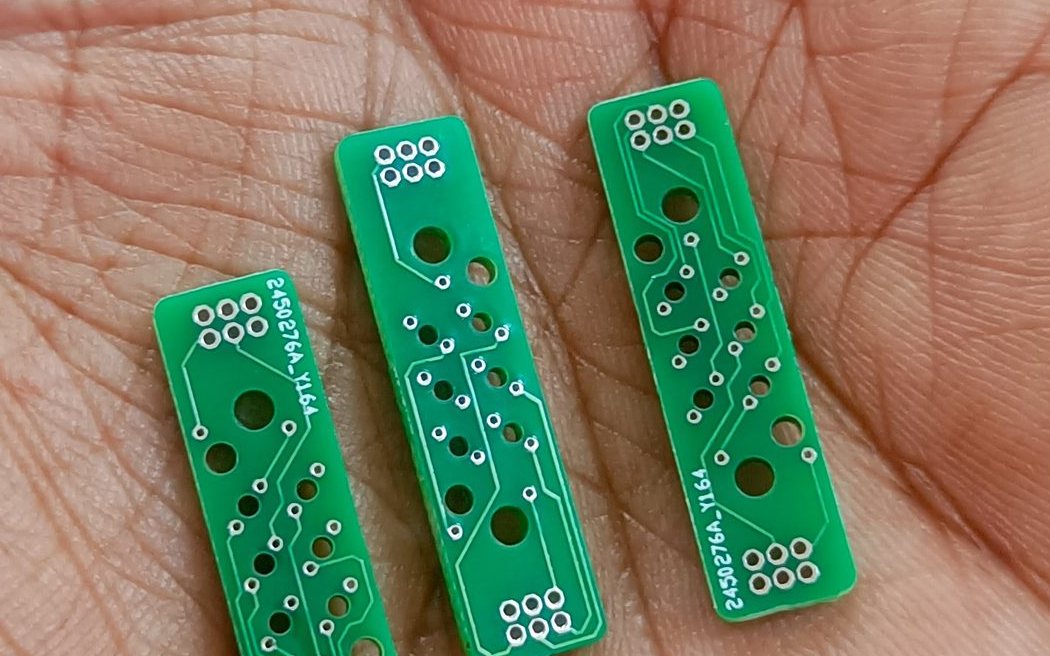
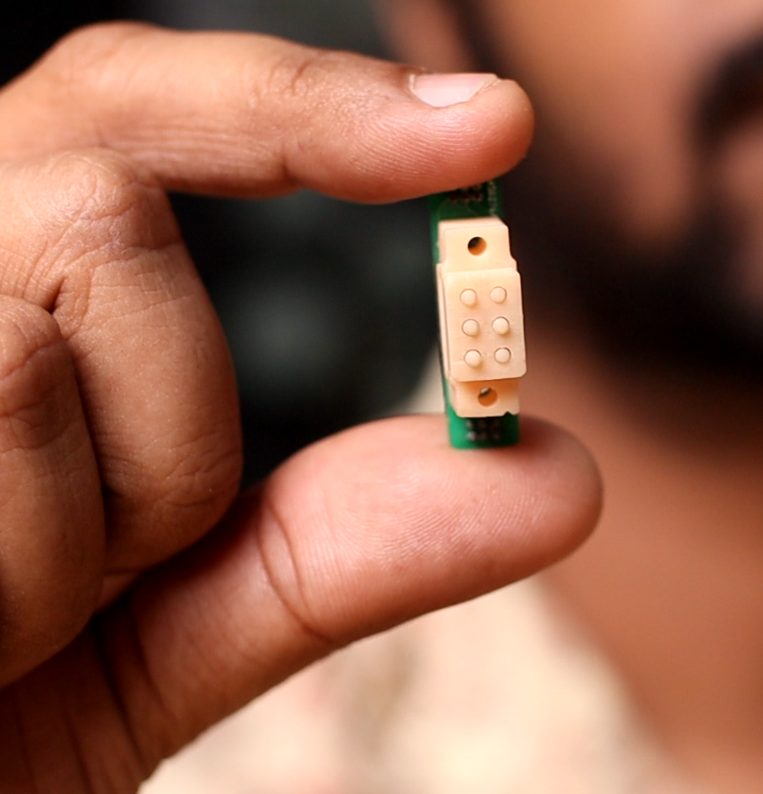
The refreshable Braille module
Only about one in ten blind people reads Braille, and the price of a display is most of the reason.
A commercial refreshable Braille cell moves each dot with a piezo stack, and that one part is why a display costs what it does. Mine moves each dot with a printed cam holding a magnet a millimetre across, so the cell can be made on the kind of machines I build.
That is the whole argument, and it took seven years and one abandoned mechanism to get to. It won the Grand Prize of the 2023 Hackaday Prize, the top award in the final year of the prize's ten year run.
The full build, in depth: the mechanism, the clips of it moving, the 2016 version it replaced, and the pencil sketch underneath all of it.
Best Design and fifth overall, 2017
Tipo, a Braille keypad for a smartphone
Eight of the ten blind users we worked with preferred a feature phone. Glass tells your fingers nothing.
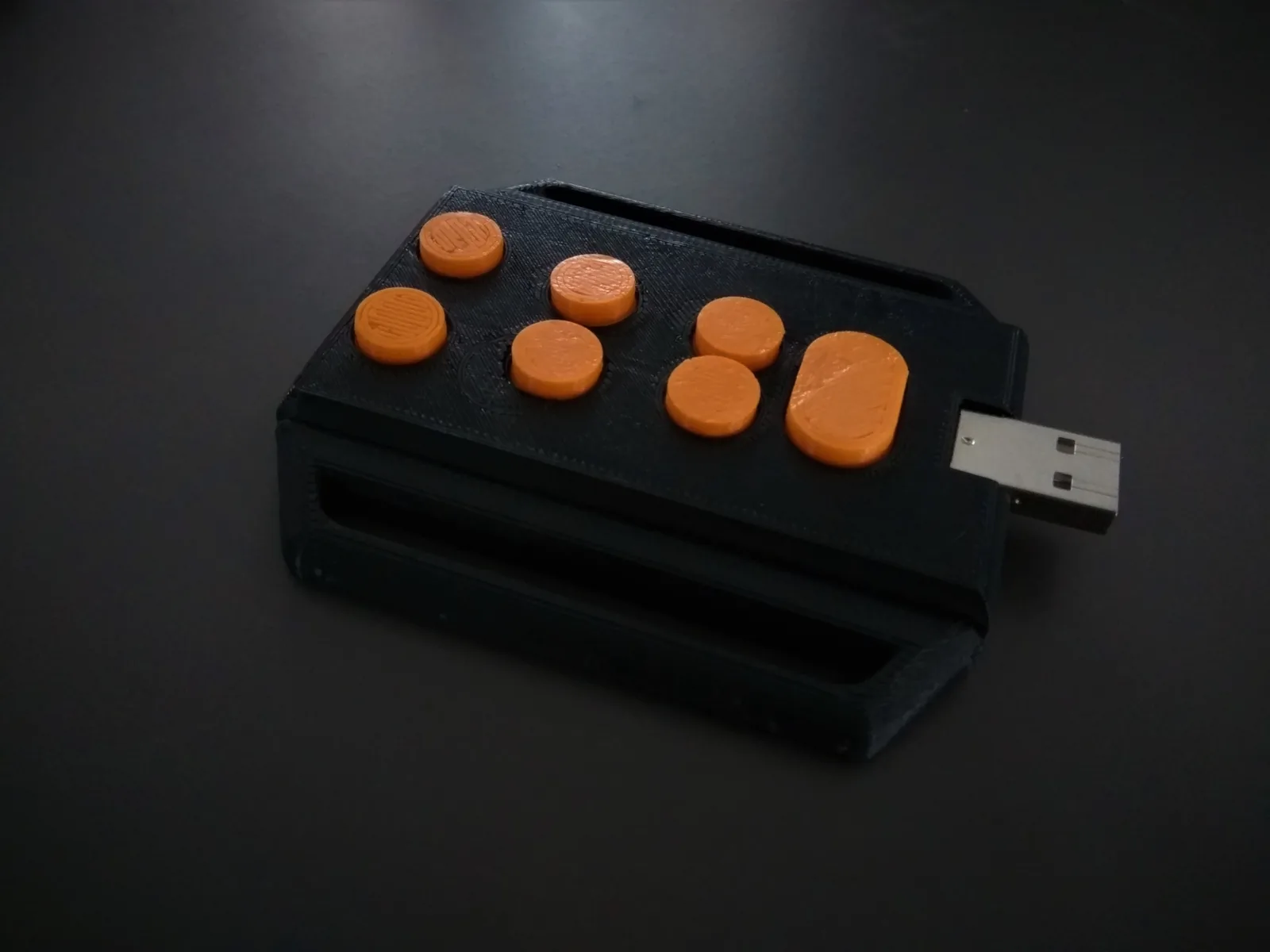
Tipo is a small keypad that plugs into a phone over USB and presents itself as an ordinary keyboard. Six buttons in a Braille arrangement, plus space, enter and backspace. Press the combination, get the character.
An ATMega 32u4 does the work as a USB HID device, which means no app, no driver and no permission to grant. It also turned out to be a teaching device: someone who has recently lost their sight can learn Braille on it.
Built with a team of seven. Open hardware, printable enclosure, published schematics.
The Portal Point Generator
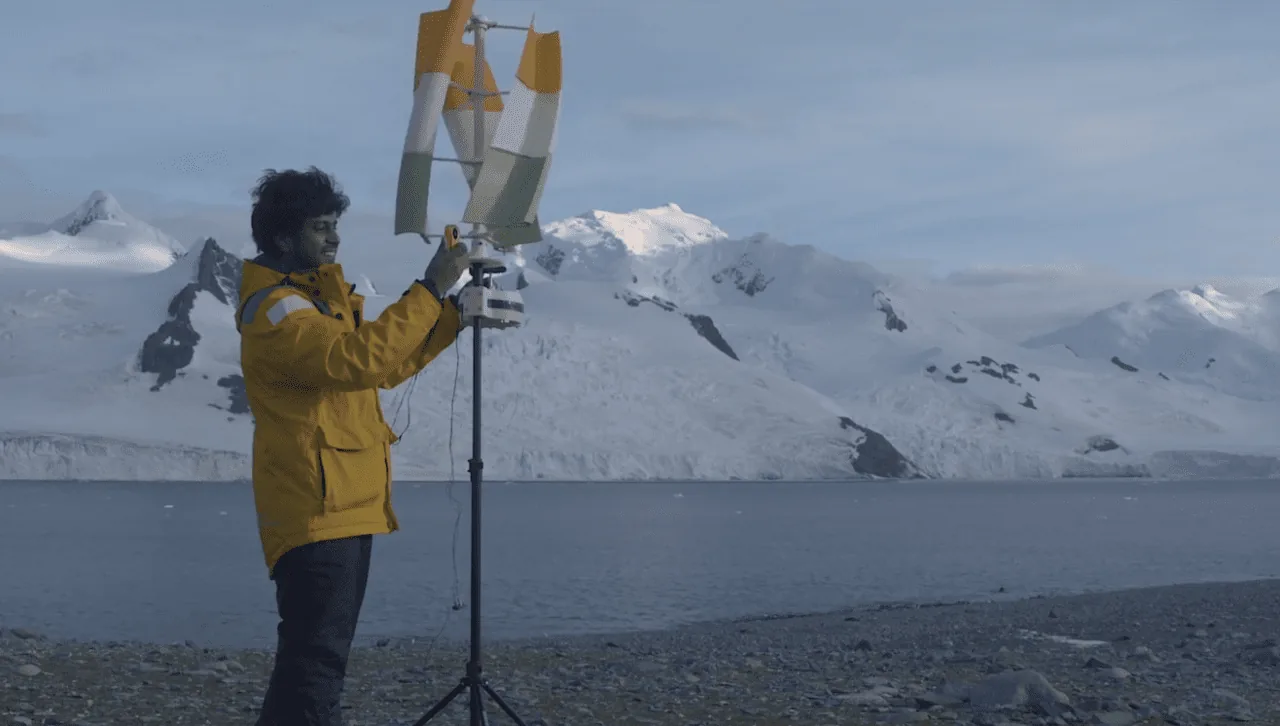
A printed generator, built to charge equipment on an Antarctic expedition.
It is a dual axial flux machine: 16 N52 magnets on either side of a fixed stator winding, three phase across six coils, wound in 30 AWG enamelled copper. Most of the structure is printed, with mild steel where it has to be.
Version one made about 75V peak and produced over 100W coupled to a turbine. It went to Antarctica with 2041, and it is named after Portal Point, which is where it went. It reached the Power Harvesting semifinal of the 2018 Hackaday Prize.
Someone in the community then rebuilt it with better bearings and an automated coil winding jig, which is the entire point of publishing it.
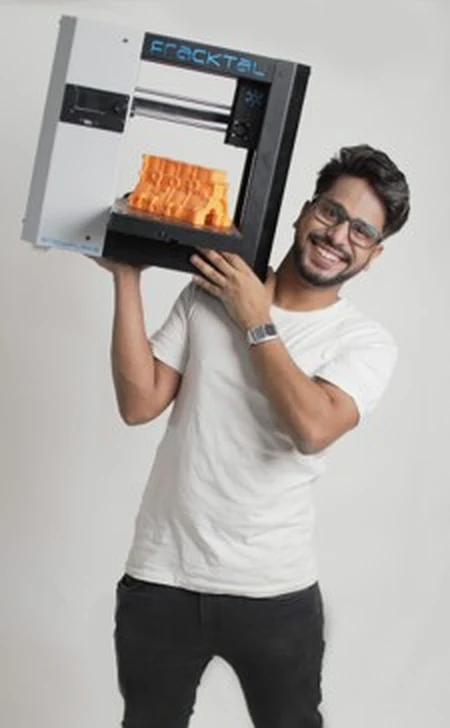
Since 2013
Fracktal Works
The prizes are the visible part. The company is the part that had to work every month.
I co-founded Fracktal Works at nineteen and have run it ever since: seven machines designed and built in India, more than 2,000 industrial customers, past 7,000 parts made for people who needed parts more than they needed a printer.
The manufacturing record: the machine range, the sculpture at Mumbai airport, and the industrial SLS printer built with FSID-IISc under a Ministry of Heavy Industries programme.
The rest of it.
Open sourced
- Braille moduleGrand Prize, 2023. Open, ongoing, built with a team.
- TipoBest Design, 2017. Printable enclosure, published schematics.
- Portal Point GeneratorSemifinal, 2018. Rebuilt and improved by someone else, which is the point.
Written
- Arduino for KidsPackt, 2017. With Priya Kuber and Rishi Gaurav Bhatnagar.
- Hackaday.ioSeven years of build notes, in public, while they were still going wrong.
- Hackster.ioThe same hardware, written up for a different room.
- GitHub44 repositories: firmware, board files, mechanism source.
Said out loud
- TEDxYouth HyderabadTechnology Changemaker.
- Embedded India 2025On the Braille display and the Hackaday Prize journey.
- The Inventor ChallengeTwo appearances. Both are on the about page.