Four companies, four different jobs.
A printer manufacturer I have run for thirteen years, a satellite payload company I advise, and two products I am building now. Each row says which is which.
What I am building now.
Four companies, and four different jobs inside them. The manufacturer is the one I have run for thirteen years; the rest are newer, and one of them is somebody else's company that I advise.

Fracktal Works
Founder & CEO
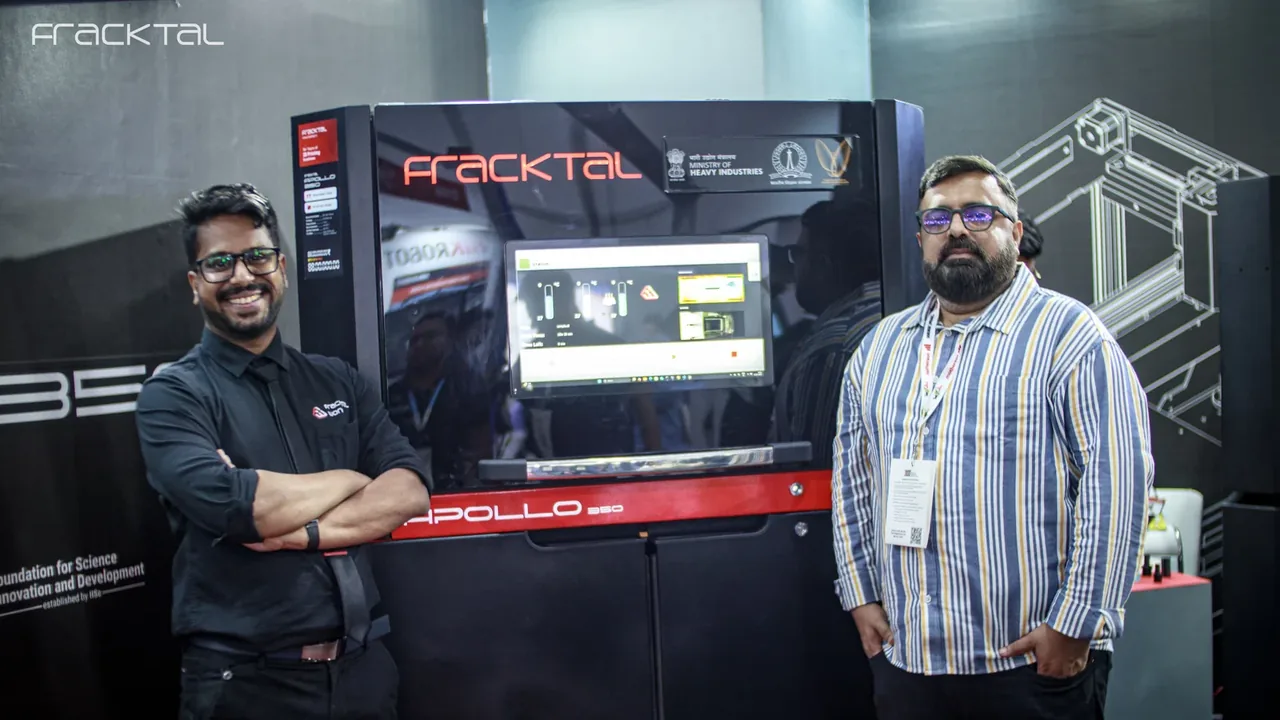
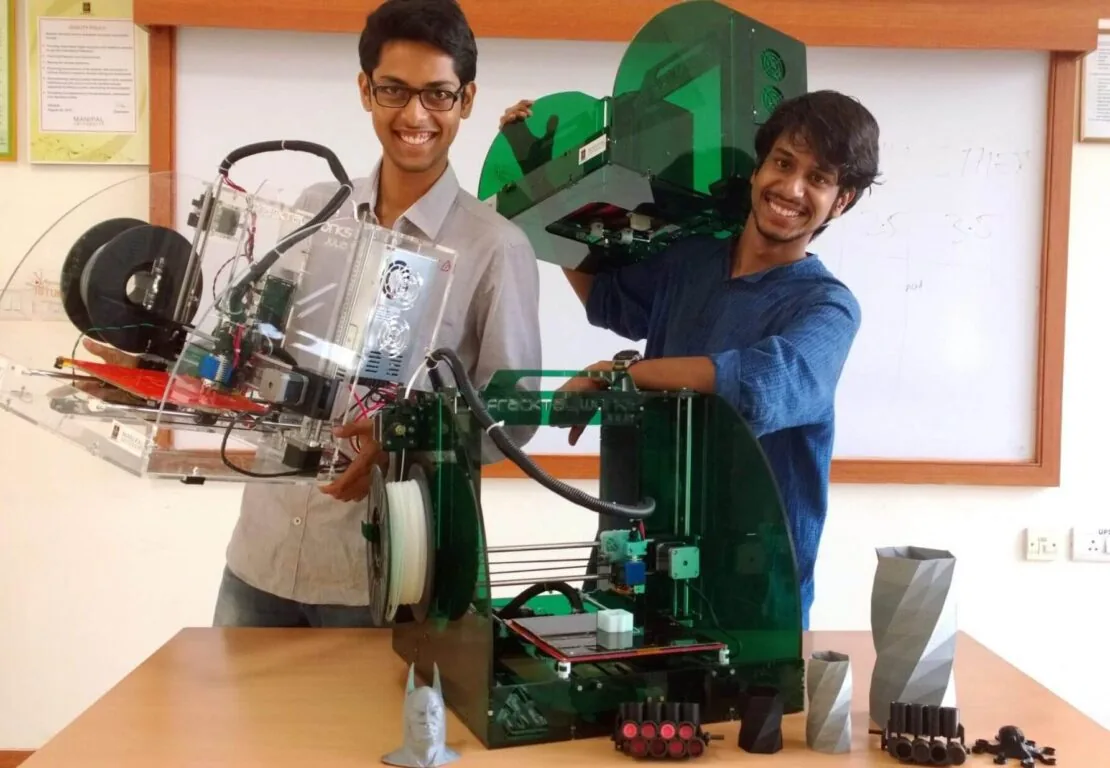
The 3D printer company I co-founded at nineteen and still run. Seven machines designed, built and supported in India, from a connected desktop to an industrial powder bed, plus the service bureau that keeps the tolerances honest.
Since 20137 machines2,000+ industrial customers7,000+ parts
fracktal.in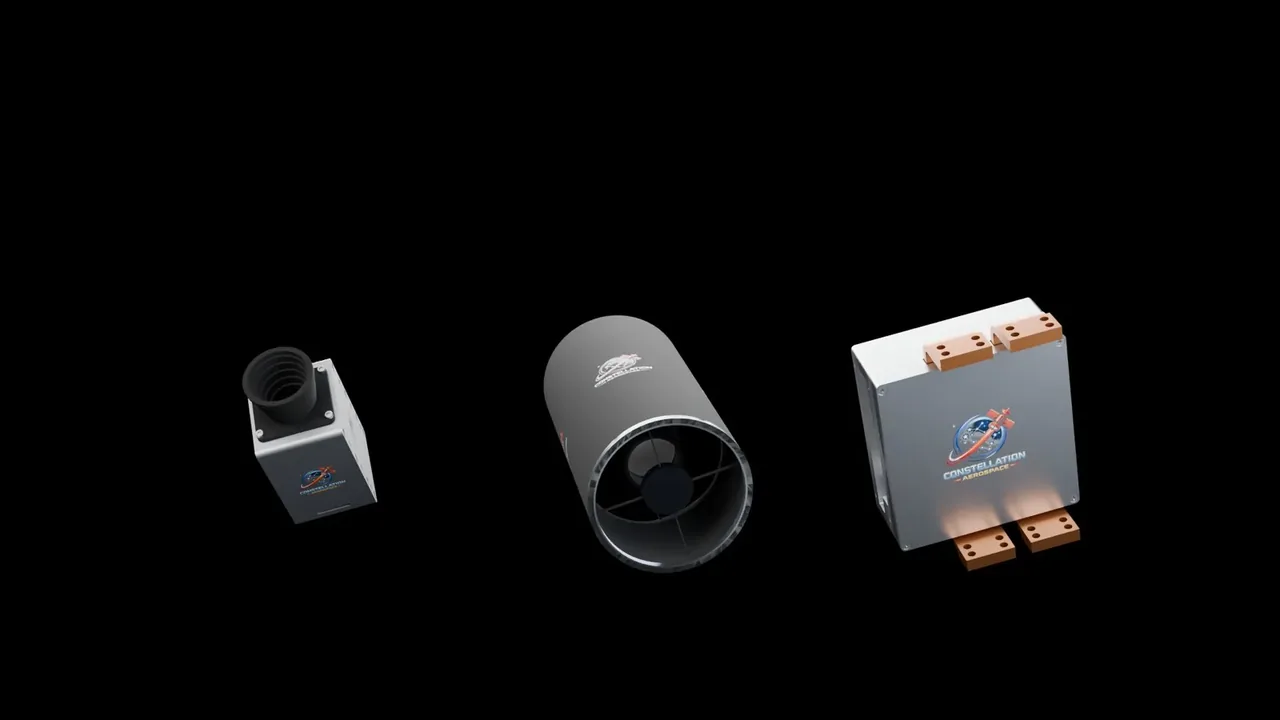

Constellation Aerospace
Technical consultant
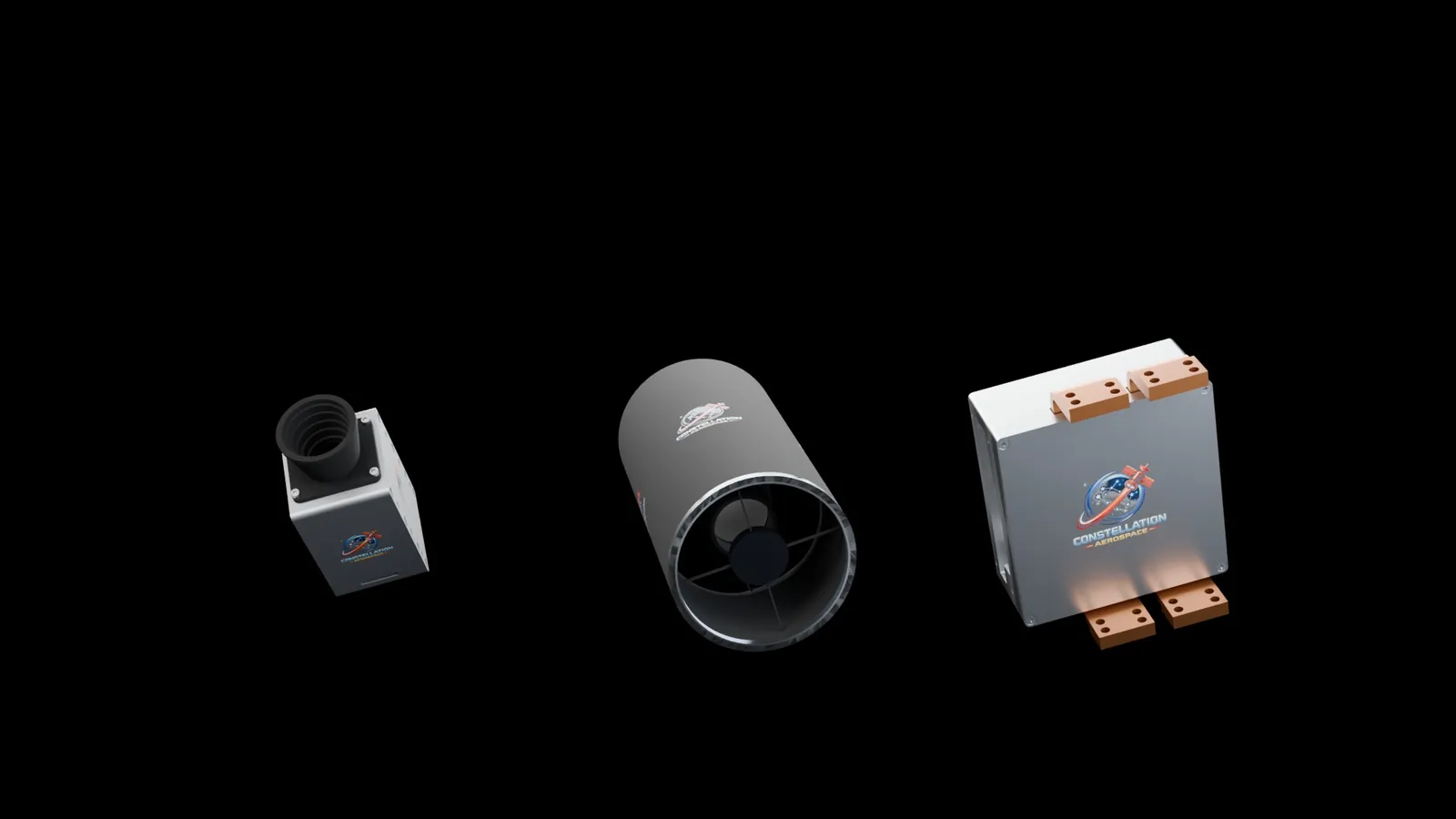
Star cameras, edge compute and imaging optics that let a small satellite take a sharp, geolocated picture from an ordinary bus. The star camera solves attitude while the spacecraft is still turning, and the imaging chain stacks its own sub-frames on board. I am a consultant here, not a founder.
BengaluruITAR-freeStratos-1 flown to 42 kmStacking flight 2027
constellationspace.io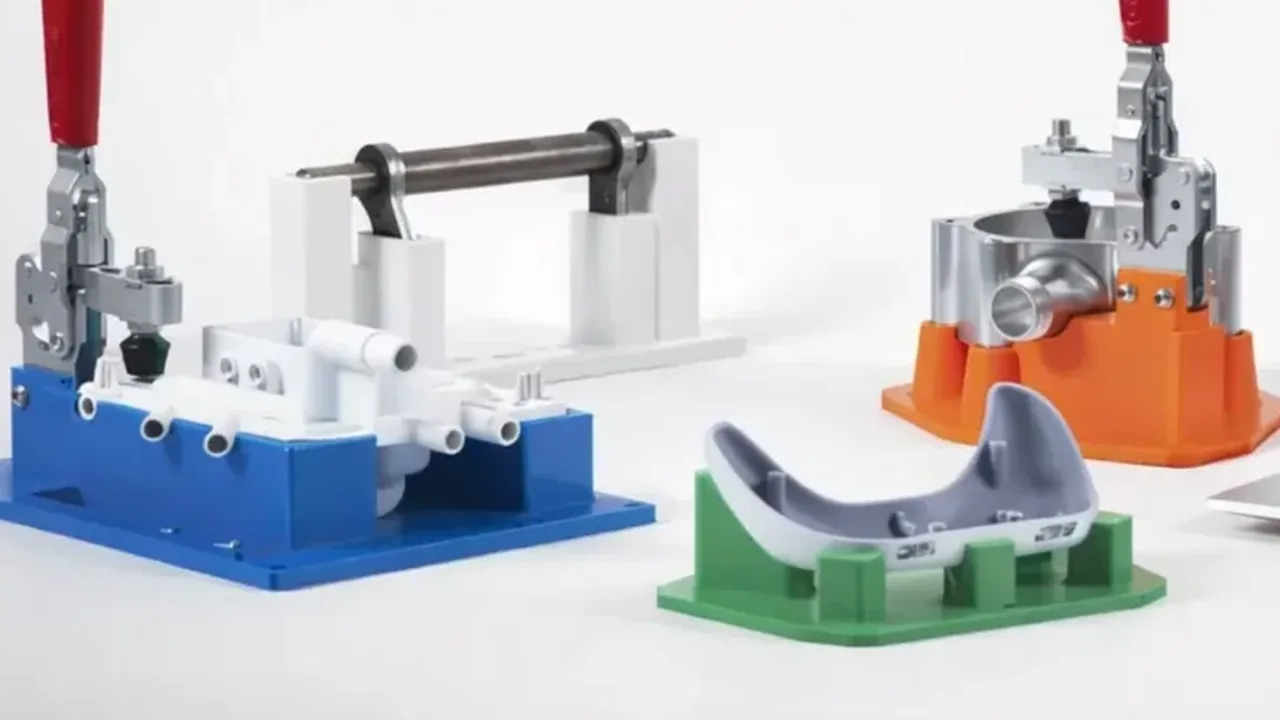

Bloc42 / RapidTool
Founder
Jigs and fixtures are the tax every production line pays and nobody budgets for: a CAD engineer, a queue, and one to four weeks before a part is even held. RapidTool takes the part geometry and returns a print-ready fixture the same day, without a CAD seat or a vendor cycle.
Upload → fixtureSame-day toolingSTL or STEP outFDM, SLA or SLS
bloc42.com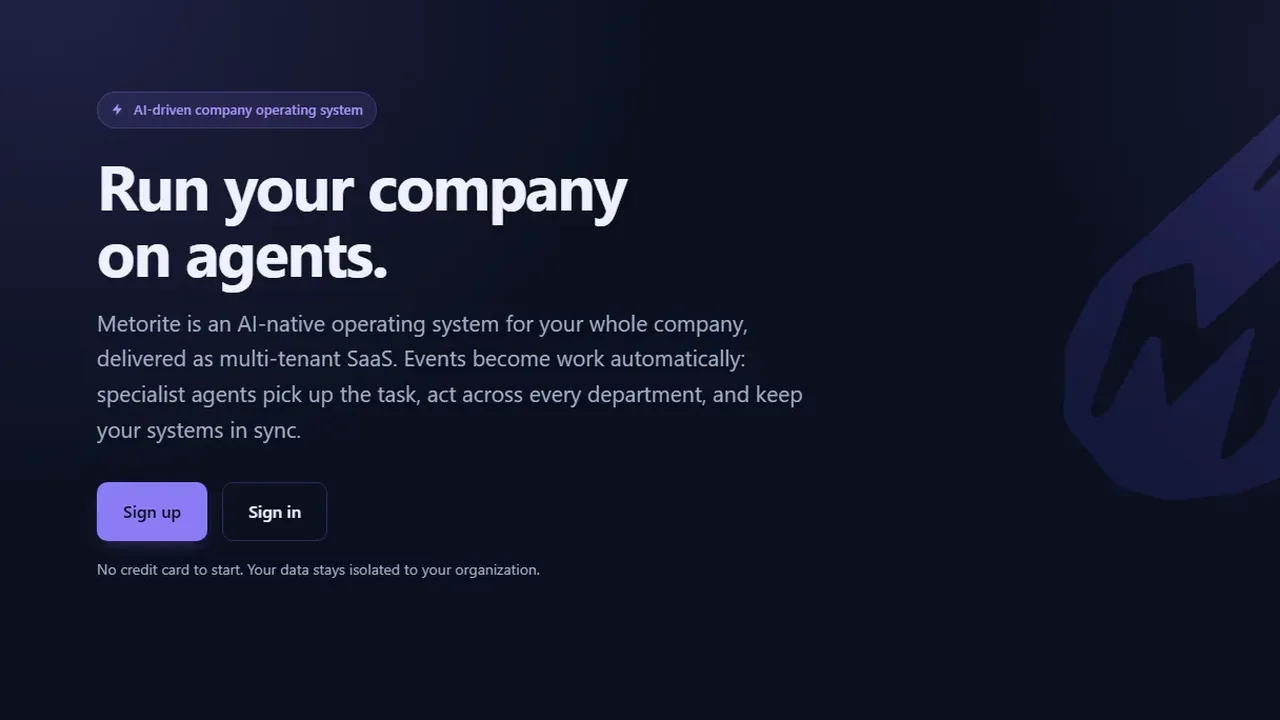

Metorite
Founder
An AI-native operating system for a whole company, sold as multi-tenant SaaS. Events become work on their own: a webhook or a schedule wakes a specialist agent, which does the task across departments and heals itself when a step fails. Every autonomous change is auditable, and anything outward-facing fails closed until a human approves it.
Agent-run workflowsRow-level isolationAuditable by default
metorite.com
Founder & CEO · since June 2013
Fracktal Works
The one that had to work every month for thirteen years.
Rohit Asil and I started it out of the Manipal Institute of Technology because our robotics team kept waiting weeks for parts. Seven machines later it designs, assembles and supports 3D printers in India rather than importing and badging them, which is a harder business and a better one.
The manufacturing record in full: the range, the sculpture at Mumbai airport, and the industrial SLS machine built with FSID-IISc under a Ministry of Heavy Industries programme.
Technical consultant, not a founder
Constellation Aerospace
Somebody else's hard hardware problem, a few days a month. This is what the advisory work actually looks like.
A small satellite normally buys its image quality from the bus it is bolted to. Constellation carries it in the payload instead. A conventional star tracker loses the sky above about three degrees a second, so an agile satellite has to slew, wait, settle, then image. Their star camera solves attitude while the spacecraft is still turning, and the imaging chain uses that attitude as the prior to register and stack its own sub-frames on board.
The result is a sharp, geolocated tile from a bus with ordinary pointing, and no settling wait between targets. Stratos-1 flew the compute module and cameras to 42 km in May 2026; Stratos-2 validates the star camera and the passive radiative cooling. The first on-board stacking flight is 2027.
Designed and built in Bengaluru, and ITAR-free, which for a lot of their customers is the whole reason the conversation starts. I am a consultant to this team, not a founder of it.
Bloc42, and RapidTool
Every production line pays a fixturing tax, and almost nobody puts it in the budget.
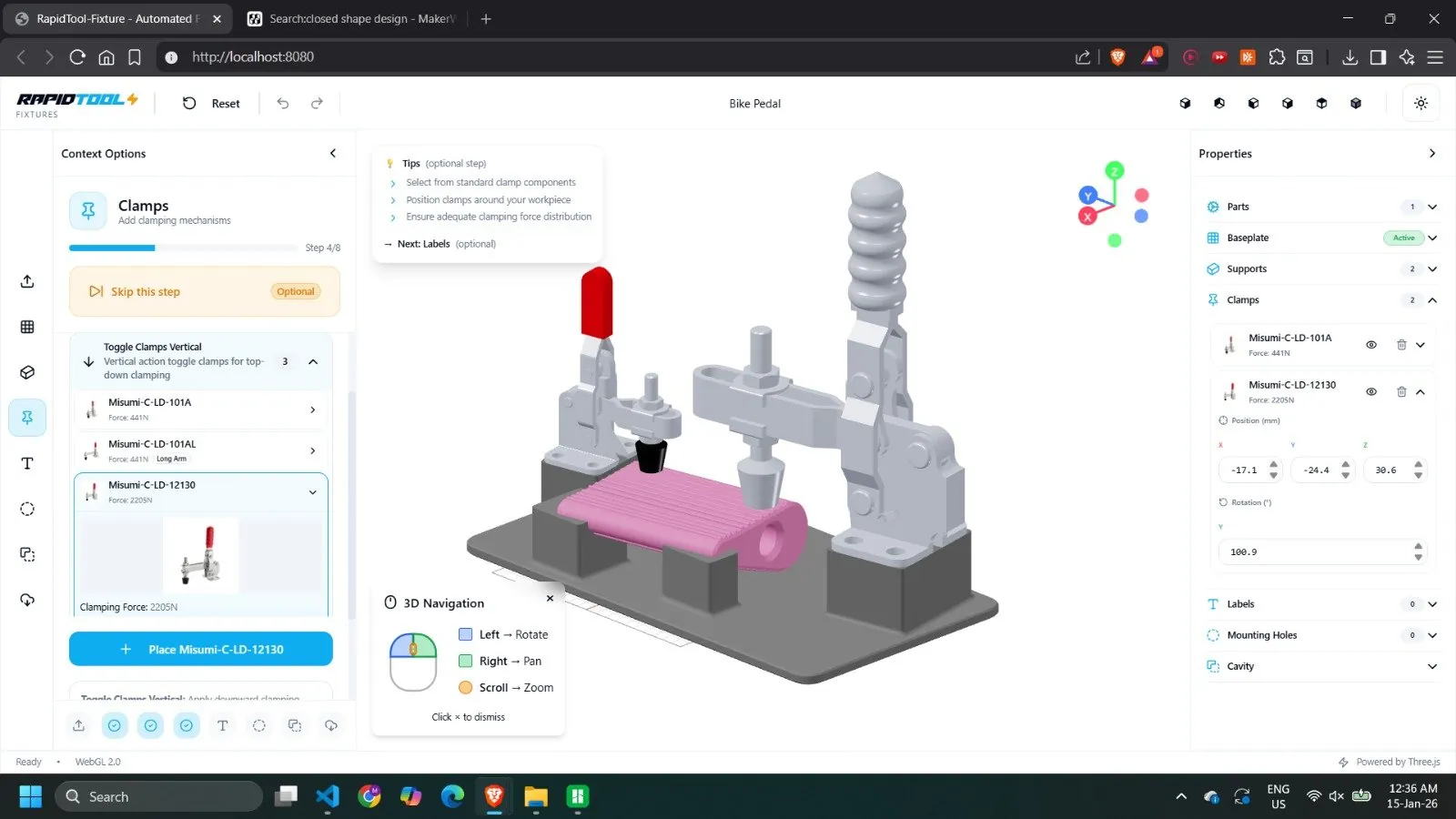
Jigs and fixtures are what hold a part still while a robot, a mill or a gauge does something to it. They are also a queue: a ticket to a CAD engineer, revisions, then a vendor cycle, and one to four weeks before anything is held. Change the part mid-run and the whole cycle restarts.
RapidTool takes the part geometry — a CAD file, a STEP export, even a scan mesh — finds the datum faces, and generates a complete fixture body with locating pins and rest pads for the process you name. You adjust clamps and clearance zones in the browser, then export STL or STEP and print it in-house. Same day, not same month, and no CAD seat.
This is thirteen years of watching the same bottleneck from the printer side, turned into the tool I wanted. Bloc42 is the company; RapidTool is the product.
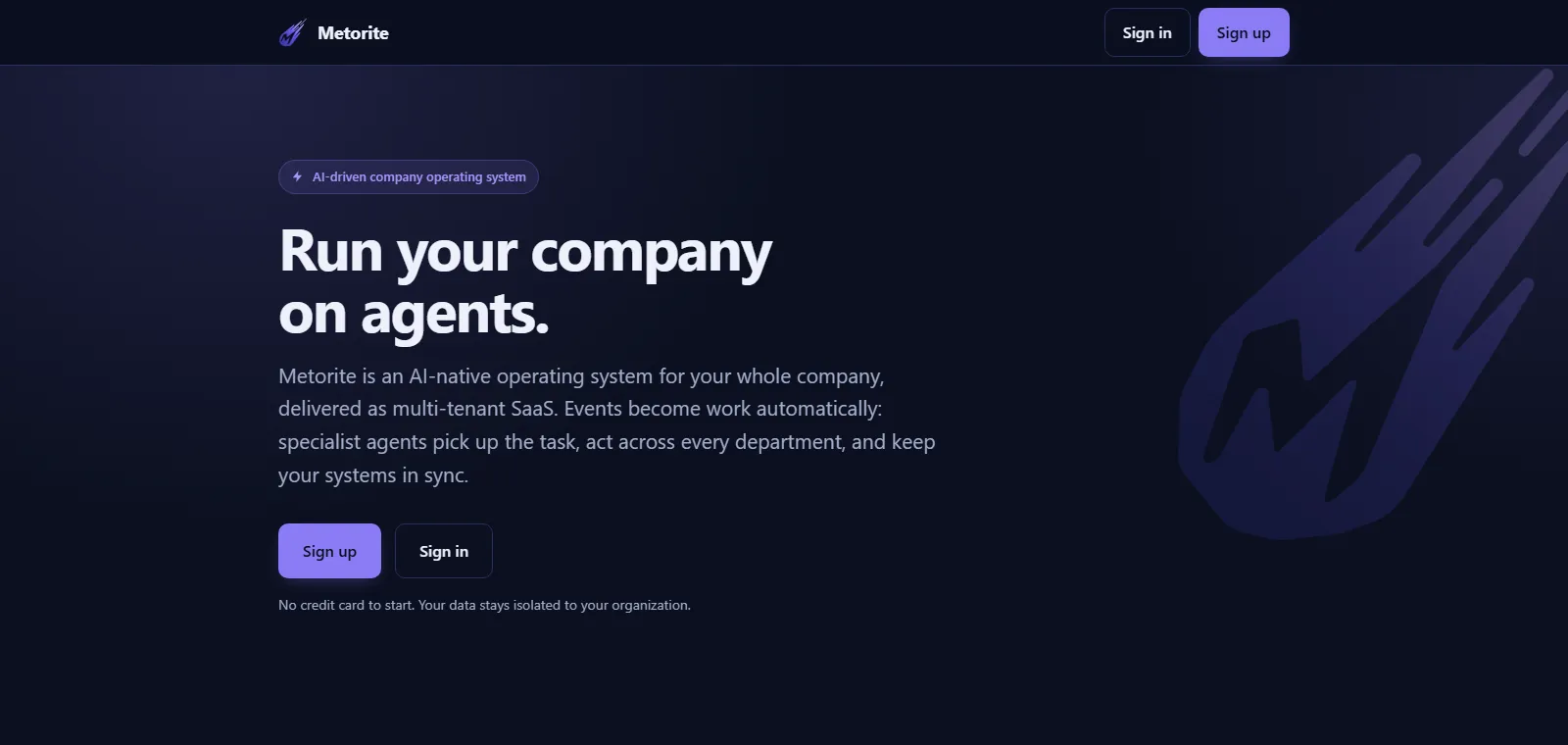
Metorite
Run the company on agents, with the outward-facing actions failing closed.
Metorite is an AI-native operating system for a whole company, delivered as multi-tenant SaaS. A webhook, a schedule or a signal becomes work on its own: a specialist agent picks the task up, acts across departments, and retries itself when a step fails, instead of somebody babysitting a queue.
Projects, workflows, knowledge, dashboards and chat sit in one product under a single permission model, and every organisation is isolated at the database row by enforced row-level security rather than by convention.
The part I care about most is the boring part: every autonomous change is traceable, and anything that reaches outside the company fails closed until a human approves it. Automation nobody can audit is not a saving, it is a liability with better marketing.
Why these four, and not forty.
They are the same problem seen from four distances: getting a physical thing made, properly, without a large organisation behind you.
Make the machine
- Fracktal WorksThe printers themselves, and the bureau that proves they hold a tolerance.
- Seven machinesDesktop to industrial powder bed, designed and supported in India.
Make the machine useful
- RapidToolTooling on the same day it is needed, from the part geometry.
- ConstellationPrecision moved out of the platform and into the payload.