I have made most of these mistakes already.

Thirteen years of running a hardware company, available to a small number of founders and teams each year.

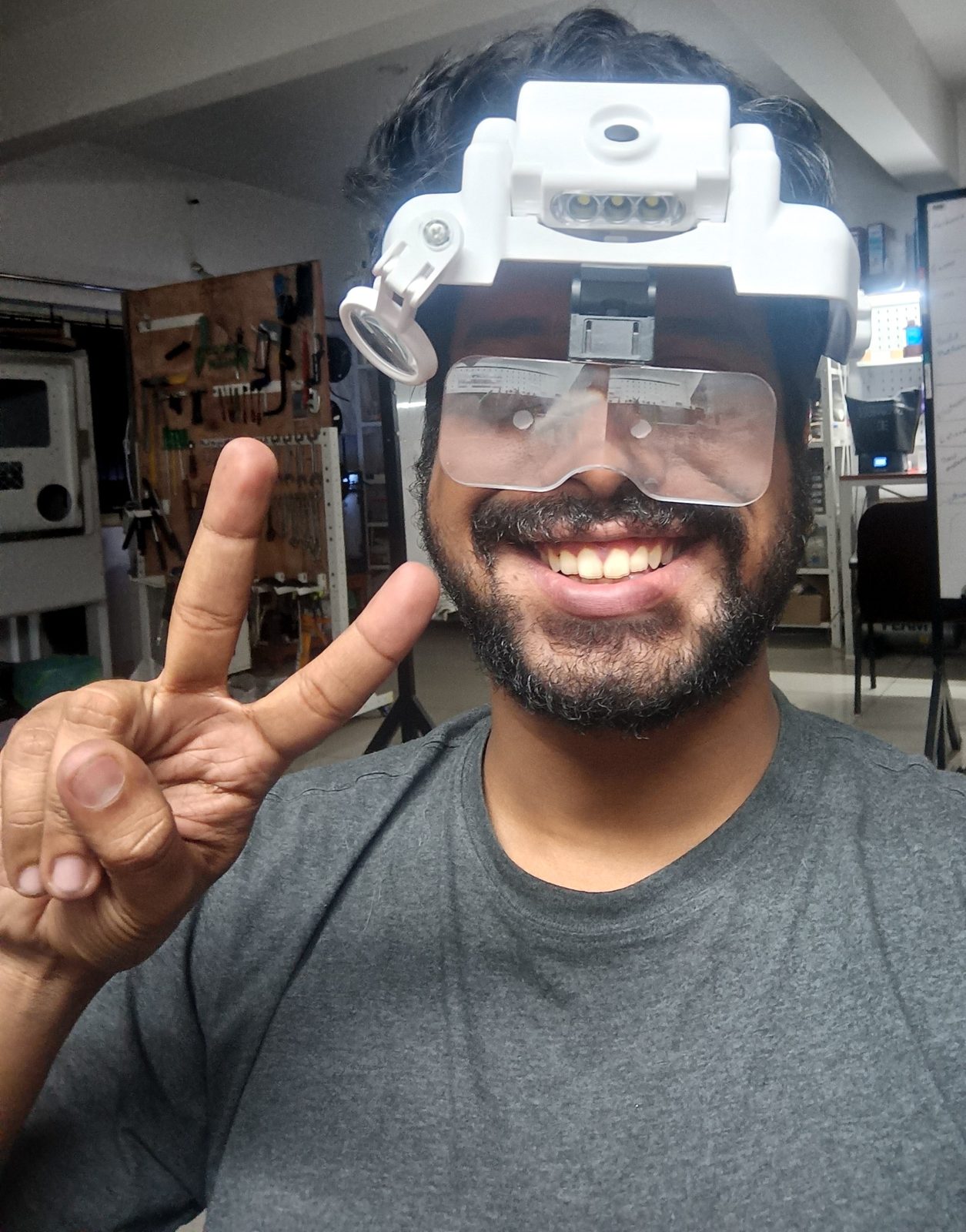
Vijay Raghav Varada in his workshop wearing a magnifier headset, with a tool wall and 3D printers behind him.

Two ways in.

Founder coaching

For people building hardware companies, usually early, usually overstretched.

  • Prototype to something you can actually manufacture
  • First engineering hires without a software budget
  • Pricing, margin and hardware unit economics
  • Choosing a contract manufacturer, and surviving one
  • When to raise, and when it will not help

Monthly, small cohort. Ask about availability.

Consulting

For teams who need additive manufacturing to survive contact with production.

  • Design for additive, and when to say no to it
  • In-house print capability that outlives its champion
  • Qualifying parts and holding a tolerance
  • Technical diligence on hardware and manufacturing bets
  • Workshops for engineering teams, on your own parts

Project or retainer. Limited slots.

How I work

I would rather say no than do it badly, so there is usually a wait.

I run Fracktal Works. This year I also took on a technical consulting role with Constellation Aerospace, a nanosatellite startup here in Bengaluru, which is roughly the shape of this work: somebody else's hard hardware problem, a few days a month. Advisory is the part of the week I protect for it, not a second business, which is why the numbers are small and the answer is sometimes no.

What I am useful for is the gap between a thing that works on your bench and a thing you can make two hundred of. That gap has eaten more hardware companies than any competitor ever has, and I have been across it a few times now.

What I am not useful for: fundraising theatre, deck polishing, or convincing a board that 3D printing will fix something it will not fix.
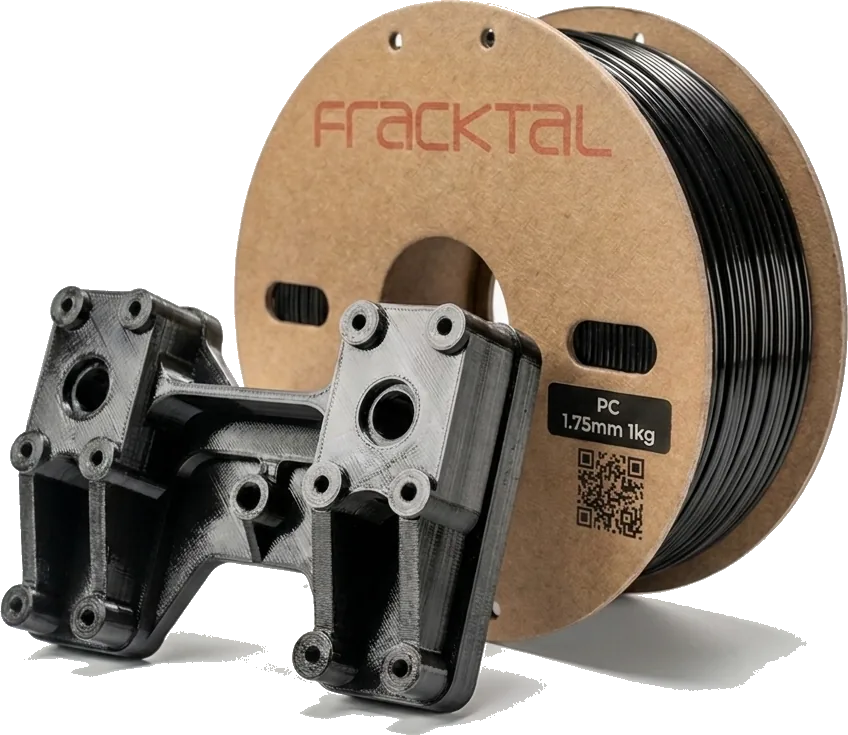
Black printed engineering brackets beside a Fracktal filament spool.
The part of design for additive nobody puts on a slide: which geometry survives the process, which material holds the tolerance, and what it costs to find out the hard way.

Why take my word for it.

Everything below is a thing I have actually had to do, not a thing I have read about.

Built a manufacturer

  • Seven machinesDesigned, assembled and supported in India since 2013, not imported and badged.
  • 2,000+ industrial customersIncluding Ashok Leyland, TVS Motor, Godrej, Decathlon and several IITs.
  • 7,000+ partsA service bureau alongside the machines, which is where the tolerances get real.

Shipped hard ones

  • Apollo 350 SLSIndustrial powder sintering, built with FSID-IISc under a Ministry of Heavy Industries programme.
  • Jhada61 printed pieces, eight feet, installed at Mumbai International Airport.
  • The Braille moduleDesigning for cost from the first sketch, which is most of what I teach.

Doing it now

  • Constellation AerospaceTechnical consultant to a nanosatellite startup. This is the work, live.
  • Still on the toolsI am not an ex-founder describing a company I left. I run it.

Tell me what you are building.