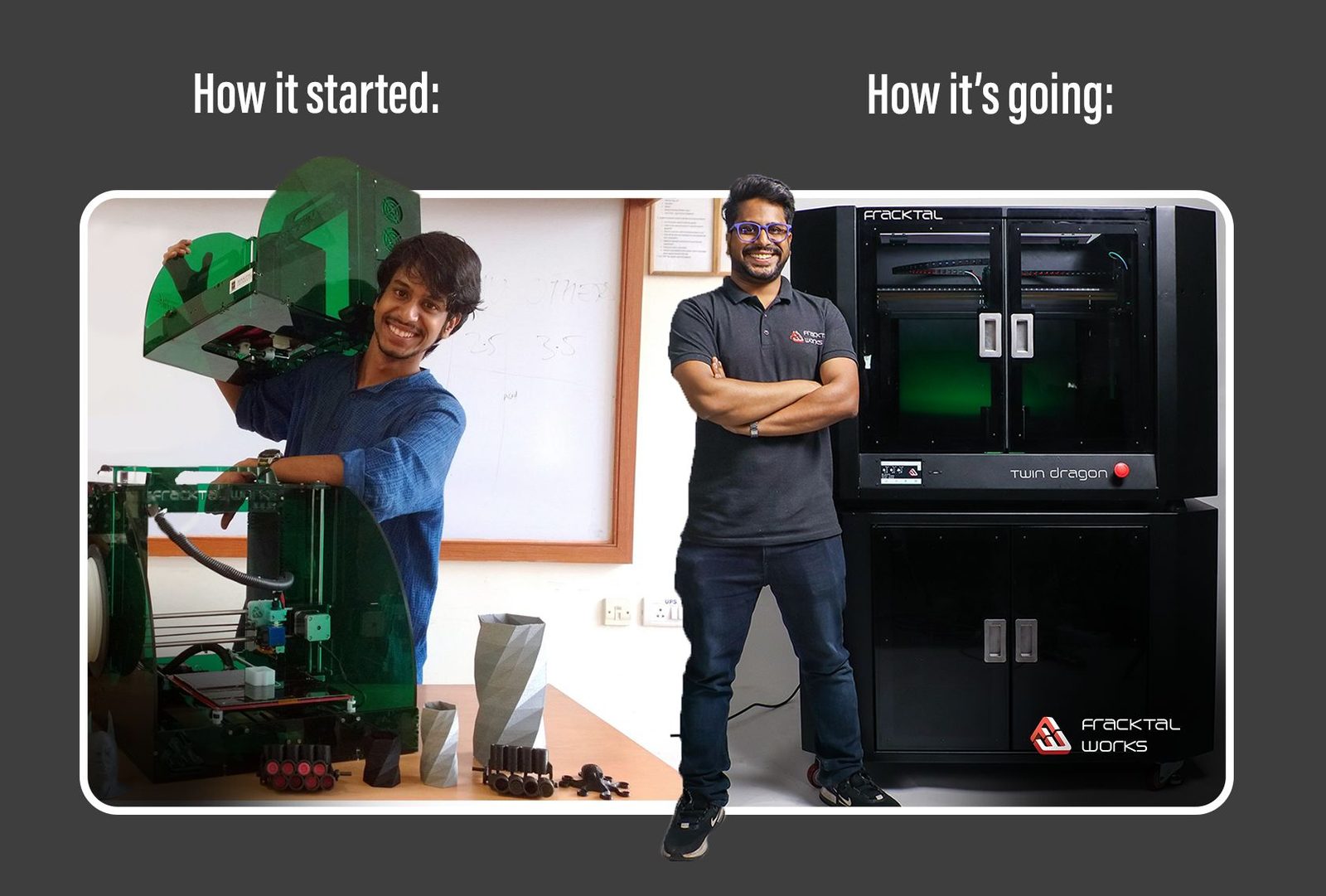
Then and now
A green acrylic box, and a Twin Dragon
Thirteen years between the two photographs.
Thirteen years of designing, building, selling and supporting 3D printers in India. This is the part of the record that matters if you are hiring me to help.
A 3D printer company I co-founded at nineteen and have run ever since.
Started in June 2013 with Rohit Asil while we were both at the Manipal Institute of Technology, because our robotics team kept hitting the same wall and we got tired of waiting for parts. So we built a printer.
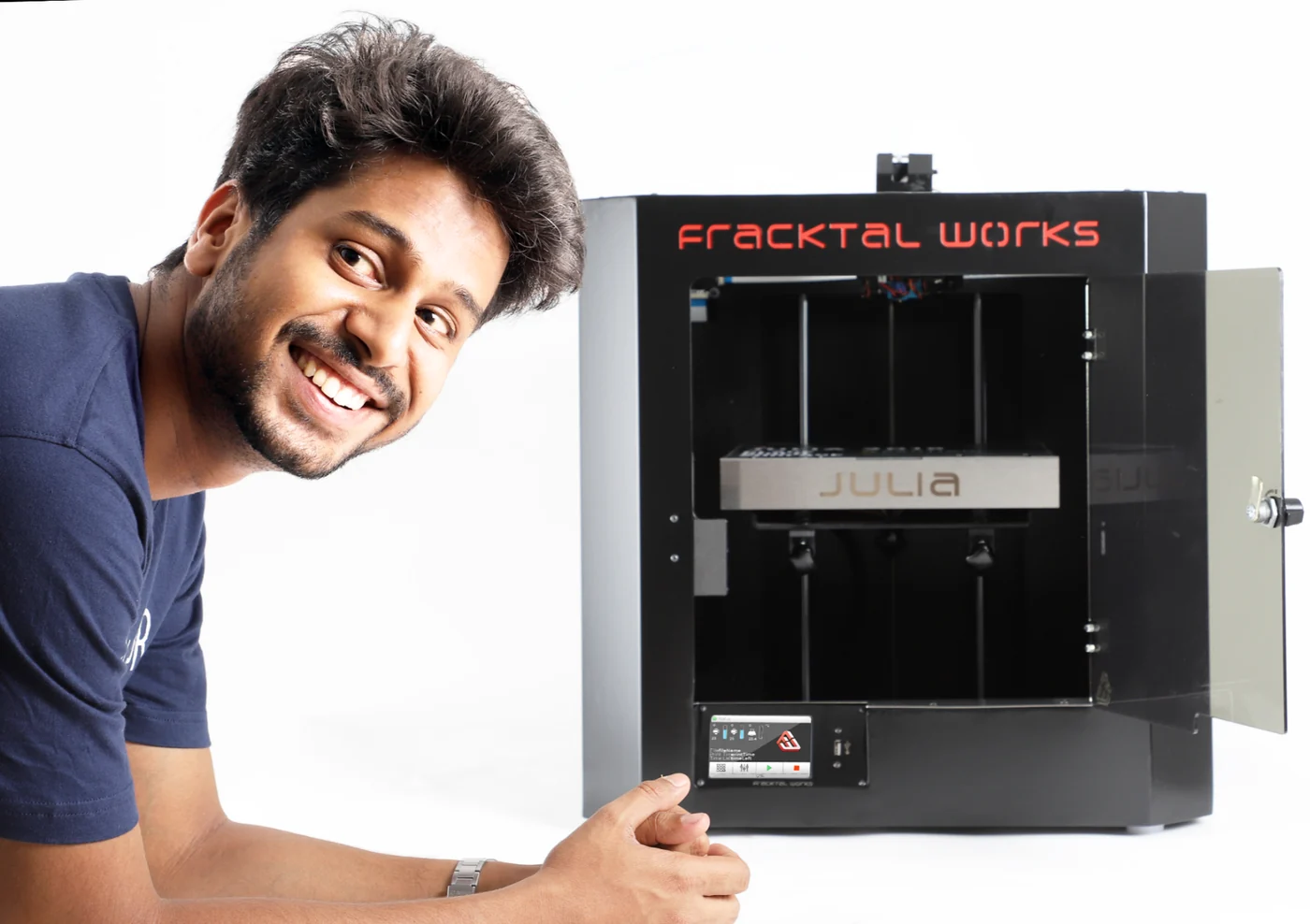
The range is seven machines now: Snowflake, Julia, Dragon, Twin Dragon, Volterra and the Apollo 350. They are designed, assembled and supported in India rather than imported and badged, which is a harder business and a better one. More than 20 materials, 2,000 industrial customers and past 7,000 parts made to date, for people including Ashok Leyland, TVS Motor, Godrej, Decathlon and several IITs.
Two jobs show the range better than the customer list does. In 2019 more than twenty of our Julia machines printed the parts for Jhada, a sculpture over eight feet tall designed by the studios Nudes and Folds, assembled from 61 printed pieces onto a steel column and installed at Mumbai International Airport. 3D Printing Industry called it India's largest 3D printed sculpture.
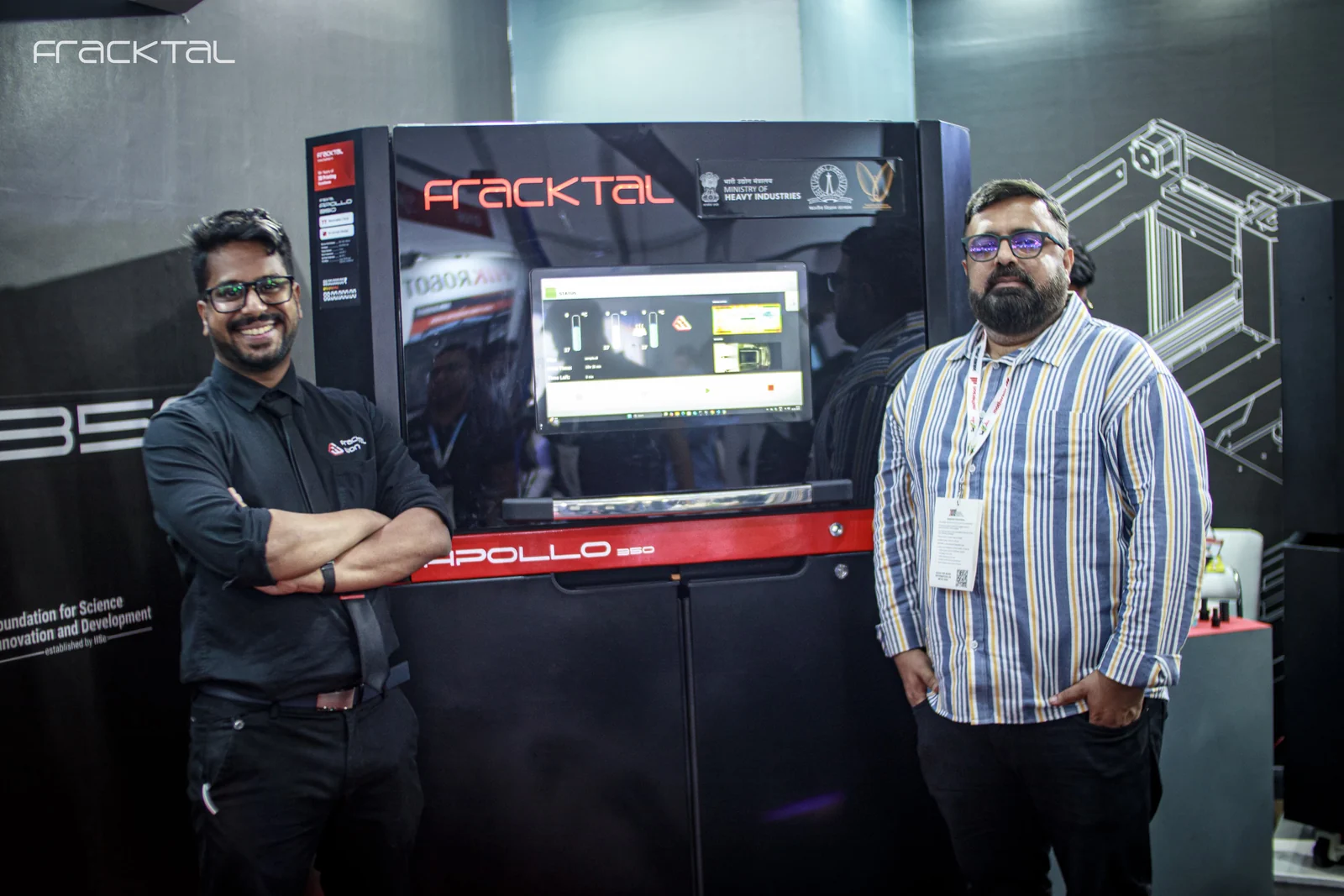
In January 2025 the Apollo 350 SLS was unveiled at IMTEX by the Union Minister for Heavy Industries. It is an industrial polymer sintering machine, about two years of work, built with FSID-IISc under the Ministry of Heavy Industries capital goods scheme. Sintering powder is a different discipline to melting filament, and it put the company inside a national programme rather than alongside one.
Thirteen years between the two photographs.
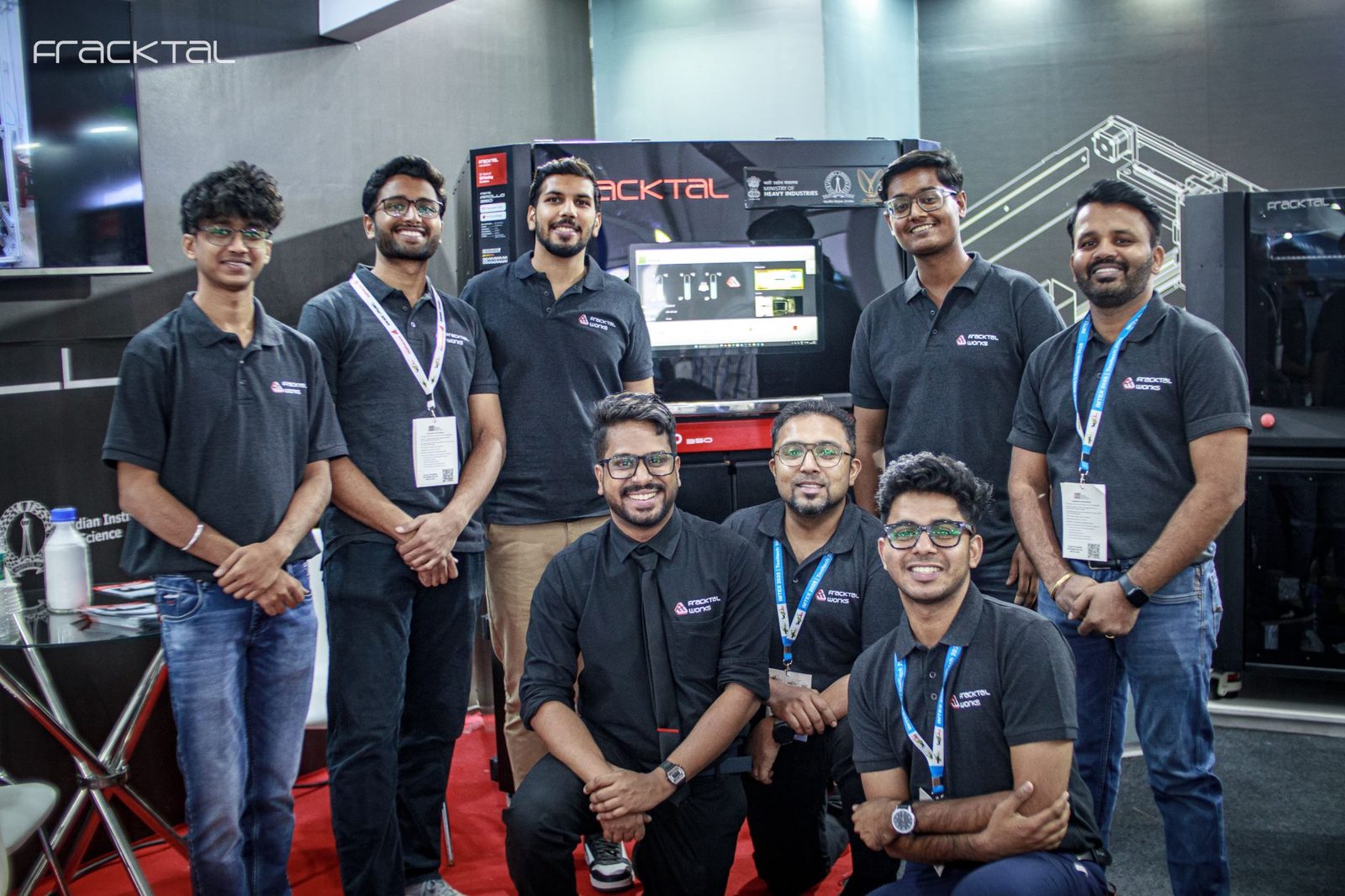
Fracktal Works, on a stand.
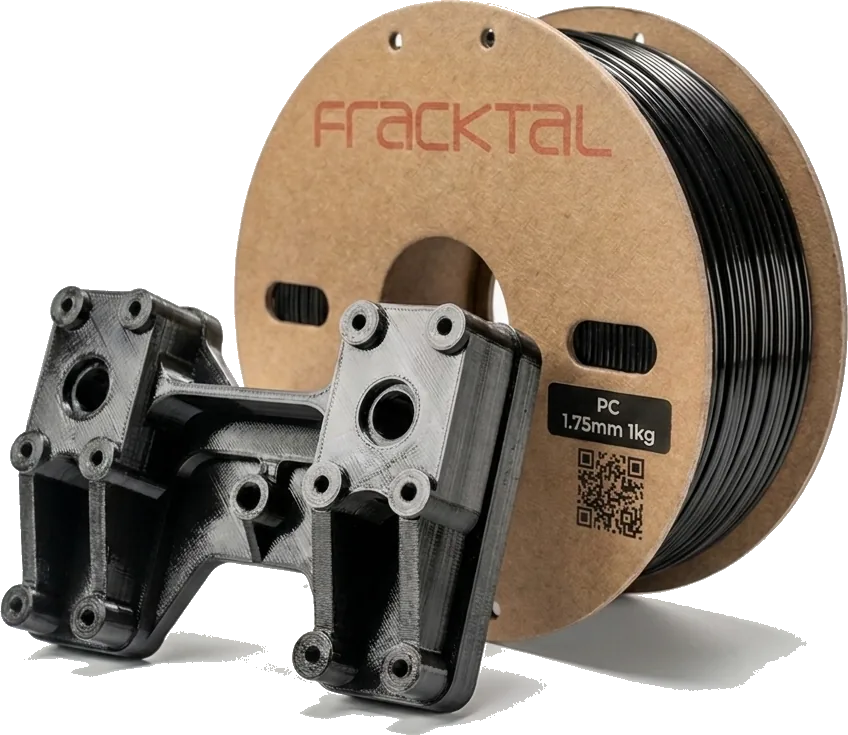
From a desktop machine to a powder bed, all designed and built in India.
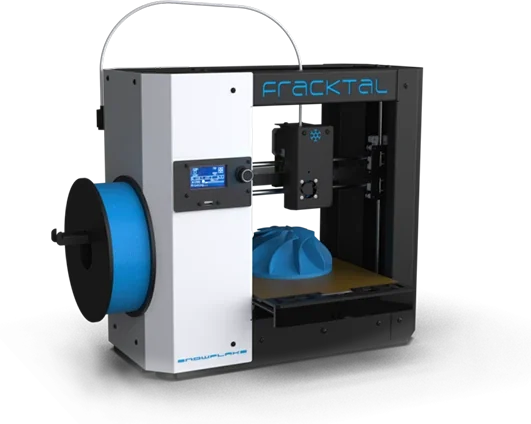
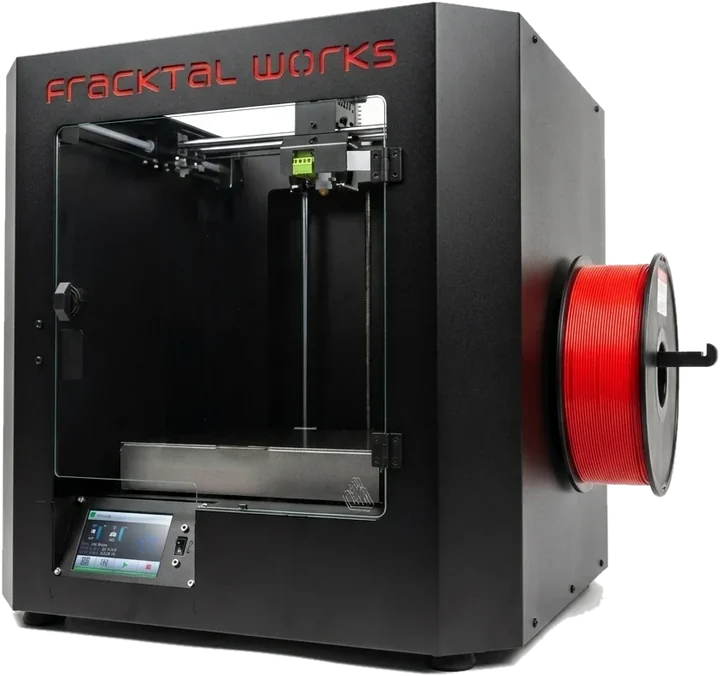
Built for classrooms and labs: 60µm resolution, an integrated camera and IoT control.
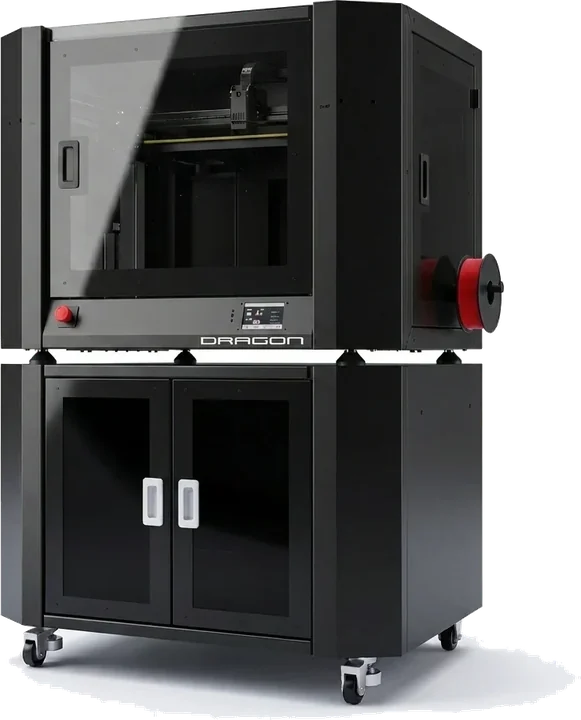
Built for the large and demanding parts that run in engineering-grade material.
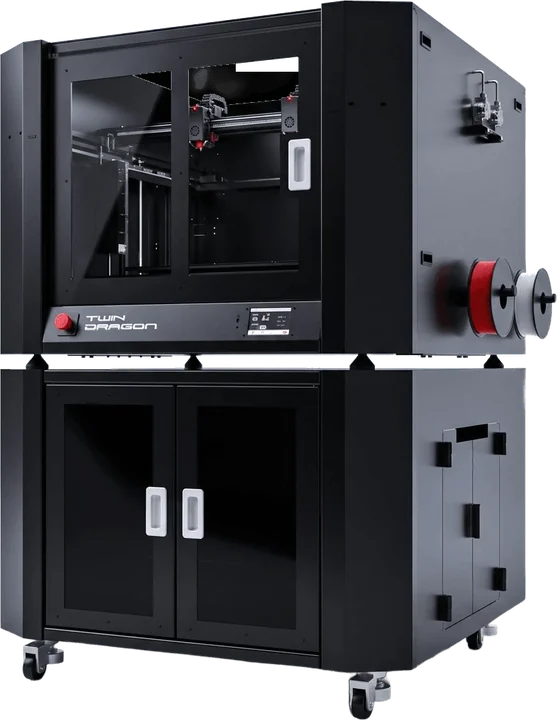
Two independent extruders over a 600×600×400mm bed, for two-colour, dual-material, mirror and duplication work.
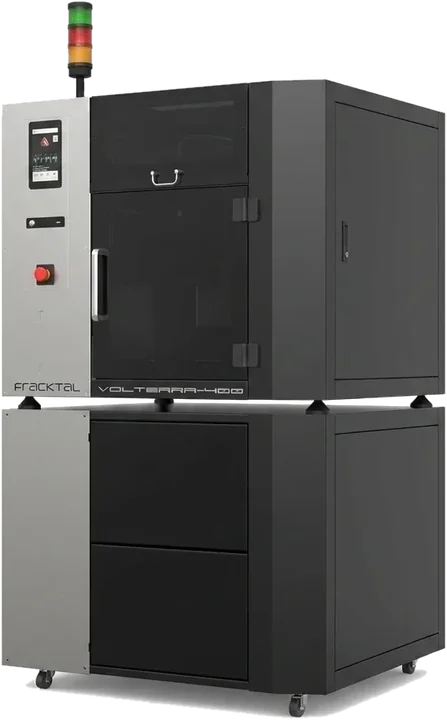
A 450°C hotend and a 90°C chamber, for the engineering polymers nothing else will hold.
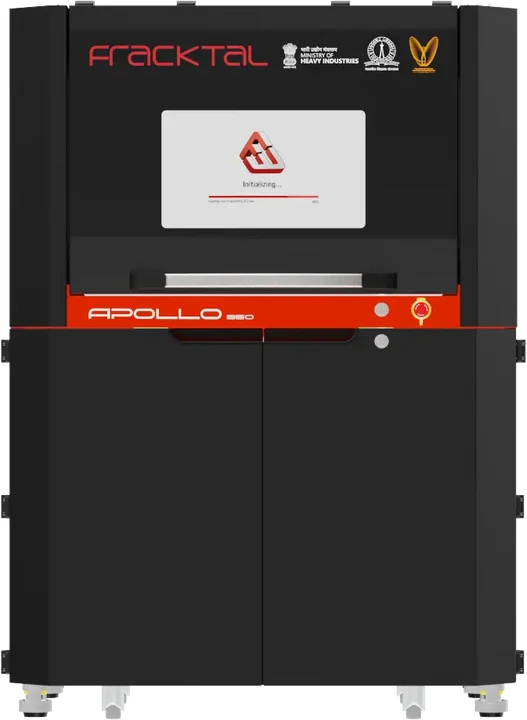
Production-grade selective laser sintering. Nylon parts with no supports and no limit on geometry.
Over 20 of the company's industrial 3D printers were used to construct parts for the Jhada installation.
What started just as a college project is now a registered 3D printing company which has clients from Ludhiana to Coimbatore, and even some multinationals.